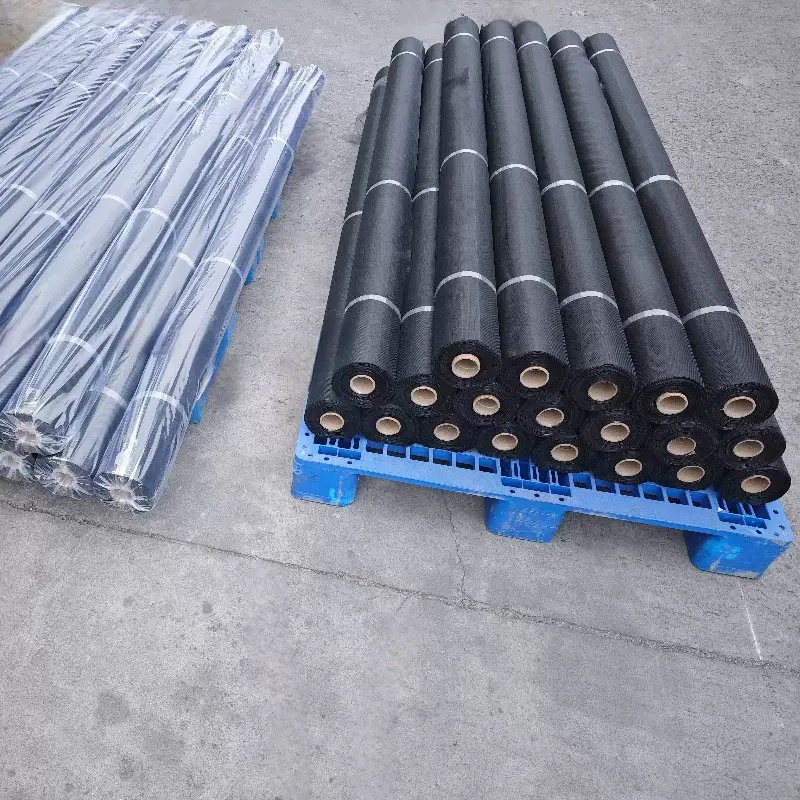
Short answer: 18×14 is the nominal count most U.S. brands position for pool cages, patios and lanais, while 20×20 is a denser weave commonly positioned as no-see-um screen — a finer construction intended for areas where tiny biting insects are a problem. The trade-off is nominal openness: a 20×20 weave is tighter, which is the point for smaller insects, but airflow and visibility behavior depend on yarn diameter and construction, not on the count alone.
| Comparison | 18×14 screen mesh | 20×20 screen mesh |
|---|---|---|
| Nominal count | ~18 × 14 openings per inch | ~20 × 20 openings per inch |
| Common market use | Pool cages, patios, lanais, large enclosures | No-see-um positioning; finer insect screening |
| Weave openness | More open nominal weave | Tighter nominal weave |
| Common material | PVC-coated fiberglass (also other families) | PVC-coated fiberglass (also other families) |
| What the count does not tell you | Opening, airflow, visibility, strength, service life | Opening, airflow, visibility, strength, service life |
What is 18×14 screen used for?
18×14 is the traditional pool-and-patio count in the U.S. market. Phifer lists its 18×14 fiberglass mesh for patio and pool enclosures, and its screen selection guide groups 18×14 fiberglass with pool-enclosure applications.
Source: Phifer — 18×14 Pool & Patio Screen
Typical applications:
- pool cages and screen enclosures
- patios and lanais
- large porch panels
- rescreening of existing outdoor enclosures
The application pattern is the reliable part. Strength, airflow or service life still belong to the specific product, not to the phrase “18×14.”
Review the 18×14 Pool & Patio Screen page
What is 20×20 screen used for?
20×20 is a finer nominal weave. In the U.S. market it is most commonly marketed as no-see-um screen — the buyer-facing name for constructions aimed at tiny biting insects, which are difficult to see and small enough that standard-count screening is often reported to let them through.
Phifer’s screen selection guide groups its finer fiberglass counts with tiny-insect use cases, and no-see-um is the position other brands commonly follow for 20×20 as well.
Source: Phifer — Insect Screen Selection Guide
Typical applications:
- screened enclosures in no-see-um-prone regions
- porches and lanais where smaller insects matter
- window and door screening with a finer nominal weave
- distributor ranges that carry both standard and fine counts
Does 20×20 keep out more insects?
The market logic is straightforward: a tighter nominal weave targets smaller insects, and 20×20 is the count brands position for no-see-um conditions.
What a buyer should not do is treat “20×20” as a measured exclusion rating. Finished opening depends on yarn diameter and construction, and no published count on its own proves which insects a specific screen excludes. If insect pressure is the reason for the choice, the defensible sequence is:
- identify the insects that matter locally;
- ask suppliers which construction they position for that condition;
- verify on a physical sample before committing a project or a container.
Does 20×20 reduce airflow and visibility?
Nominally, a 20×20 weave is tighter than 18×14, so a same-material, same-yarn comparison would imply less openness. Real products, however, vary in yarn diameter and construction, so the practical difference should be confirmed rather than assumed from the numbers.
A useful framing for the decision: many pool projects accept 18×14 as the baseline because it is the market-standard enclosure screen, and move to a finer count only when small-insect pressure justifies the change. Distributors commonly stock both, and contractors quote each job against the condition at the site.
Can you substitute 20×20 for 18×14 on a pool cage?
Physically, a 20×20 roll can be installed where 18×14 was used — the substitution question is commercial and aesthetic, not mechanical:
- the finer weave changes the screen’s look and feel in large panels;
- airflow behavior may differ from what the customer expects;
- pricing and product availability differ between the two constructions.
Before switching an existing program, confirm three things: the application and the customer’s expectation, the construction of the proposed replacement, and the acceptance criteria of whoever signs off the job — installer, distributor or end customer. Where an enclosure already performs well, the current roll label or an approved sample is a better benchmark than either count on its own.
Which count should you specify?
- Standard pool cage, patio or lanai work: 18×14 is the common starting point in the U.S. market.
- Small-insect pressure is the priority: the 20×20 family is what brands position for it; confirm the construction and verify with a sample.
- Matching an existing screen: read the label or count the mesh, and put the exact count plus material, color and roll format in the RFQ.
Both counts exist in fiberglass and other material families. 20×20 fiberglass insect screen and the fiberglass screen category show the counts this supply covers; the material-family trade-offs are compared separately in fiberglass vs polyester screen mesh.
Quick FAQ
Is 18×14 or 20×20 better for a pool enclosure?
18×14 is the conventional pool-enclosure count and is what most U.S. brands position for that use. 20×20 is chosen when small-insect pressure matters more than keeping the standard weave’s openness. Both are legitimate choices; the site conditions and the customer’s expectation decide.
Does 20×20 screen block no-see-ums?
20×20 is the count commonly positioned for no-see-um conditions. Actual exclusion depends on the finished construction, so treat the count as a starting point and confirm behavior on a sample when it matters commercially.
Is 20×20 harder to see through than 18×14?
Nominally it is a tighter weave, and buyers generally perceive finer counts as less open. The magnitude depends on yarn diameter and material, so judge visibility on a physical sample rather than from the numbers.
For the width side of pool-cage and lanai sourcing — wider panels, seams and the width ladder — see the fiberglass roll-width guide.
Sources and product references
- Phifer — 18×14 Pool & Patio Screen
- Phifer — Insect Screen Selection Guide
- What does screen mesh count mean? — the full explanation of the two numbers
Need to quote either construction?
Send the application and whatever you already have — a count, a label, a photo or the current screen. The comparison can start from there.