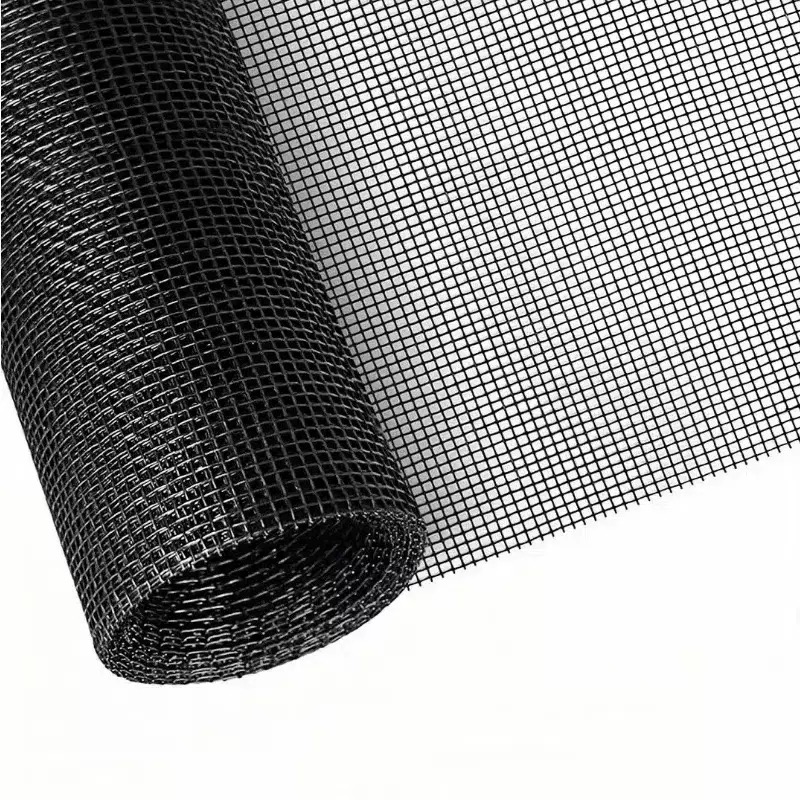
Short answer: fiberglass insect screen is produced in a ladder of roll widths — commonly 24, 30, 36, 48, 60, 72, 84 and 96 inches, with 100-inch and wider constructions in the pool-and-patio segment — and the width you buy is decided by the panel or enclosure dimensions you screen. Standard window work clusters around 24–48 inches; lanais, porches and pool cages drive demand for 60 inches and above. Buying the next width up to avoid a seam is a common fabricator decision; buying much wider than needed wastes material and freight. Exact available widths are confirmed per inquiry.
| Width class | Typical use | Who buys it |
|---|---|---|
| 24–36 inch | Standard windows, narrow door panels | Fabricators, replacement-screen programs |
| 48 inch | Wide windows, door screens, small patio panels | Fabricators, distributors |
| 60–72 inch | Porches, lanais, sliding and wide door openings | Contractors, rescreeners |
| 84–100 inch and wider | Pool cages, large lanais, continuous enclosure panels | Pool enclosure contractors, distributors |
Why roll width is a purchasing decision, not a detail
Mesh count and material describe the screen’s construction; roll width describes the format the construction arrives in, and it shapes the economics of the whole job:
- Seams. Screening a 70-inch-wide lanai panel from a 48-inch roll means a splice. Seamed panels are weaker at the joint, visible up close and slower to install. Many contractors simply buy the width that covers the panel in one piece.
- Trim and waste. A panel cut from a much wider roll leaves offcuts that have no second use in production. Across a container of material, systematic width mismatch is real money.
- Freight. Rolls cube out by width and length. Width planning affects how many rolls fit a pallet and a container.
- Machine compatibility. Fabricators who screen frames on a bench or an automated line fix the usable width range by their equipment.
This is why rescreeners and enclosure contractors tend to standardize on two or three widths that cover their job mix, and why distributors stock the width ladder rather than one universal roll.
Common widths and where they fit
The U.S. retail and contractor market clusters around a well-established ladder. Metro Screenworks lists bulk fiberglass screening from 24 inches upward in 100-foot lengths, and qualitywindowscreen.com describes widths up to 96 inches in 100-foot rolls, with some constructions also offered in shorter roll lengths. In the pool-and-patio segment, wider constructions exist specifically because large enclosures are screened with long, continuous panels — which is also why 18×14 pool screen is commonly specified in wider formats than standard 18×16 window mesh.
Sources: Metro Screenworks — bulk fiberglass screening rolls · Quality Window Screen — fiberglass screen rolls
The width on the confirmed 36-inch × 100-foot 18×16 roll example on this site is a typical standard-window format; other widths and roll lengths in the same families are specification questions confirmed per inquiry.
How to plan widths for a panel program
- List the panel dimensions you produce or rescreen most often — width of the opening, not the frame, is the starting point.
- Add spline allowance and trim on each side. A 34-inch finished panel may need a 36-inch roll; a 70-inch lanai panel usually needs the 72-inch width.
- Decide your seam policy. Where a seam is unacceptable, the roll width is fixed by the largest panel in the job mix.
- Check the width against the job mix, not the single job. One oversized panel can pull a program to a width that wastes material on every other panel — sometimes the better answer is a split panel design agreed with the customer.
- State the width in the RFQ. Width, length, count and color together define the roll; width alone does not.
Width in the RFQ: what to state
| Field | Example |
|---|---|
| Roll width | 60 inch |
| Roll length | 100 ft |
| Mesh count and material | 18×14 fiberglass with PVC coating |
| Color | Charcoal / black |
| Volume | Rolls per order or container-planning range |
If you are replacing a current supply, the fastest route is the current roll label — width and length are printed on it. The label-reading guide shows which fields to transcribe.
Quick FAQ
What is the most common fiberglass screen roll width?
36 inches in 100-foot rolls is the most-cited standard window format, which matches the confirmed roll example on this site. Distributors typically carry the full 24-to-96-inch ladder because fabricators and contractors buy several widths in parallel.
Can I join two narrower rolls instead of buying wider mesh?
Technically yes, but a seam in a screen panel is a weak point, visible and slower to install. For wide lanai and pool-cage panels, buyers usually move to the wider roll format rather than splice standard widths.
What widths does pool and patio screen come in?
Pool-cage and lanai screening commonly runs 60 inches and above, with wider constructions produced for continuous large-enclosure panels. The exact width program for a specific construction is confirmed per inquiry — the 18×14 pool and patio screen page shows the fields to state.
Does roll width change the standard the mesh must meet?
No — but the two specifications travel together in tenders. Vinyl-coated fiberglass insect screening is commonly specified against ASTM D3656/D3656M regardless of roll width; the width is part of the order specification, not part of the product standard. If a buyer anchors the mesh to a standard, the certification and compliance guide explains how conformity evidence is arranged; the width, length, count and color fields above still define the roll itself.
Continue from here
- 18×14 vs 18×16 screen mesh — the count comparison behind most width-led RFQs
- 18×14 vs 20×20: pool screen vs no-see-um screen — openness trade-offs for large enclosures
- A screen mesh RFQ checklist — where width sits in the staged RFQ
Sourcing a specific width?
Send the panel or enclosure dimensions, the width you currently buy, or just the application. The width program and commercial details are confirmed from there.